
Most common childhood cancer
Leukemia
Blood and bone-marrow cancers, including ALL and AML — the most frequent diagnosis in children.

For every child. For every family.
When cancer interrupts childhood, no family should have to carry the weight alone.

Strength changes the view.
We connect children and families with care, resources and people who help them keep moving forward.

Someone stays close.
From diagnosis through recovery, we listen, guide and stand beside children and their families at every step.

Care where it matters most.
We help children, families and medical teams through the moments that require more than medicine alone.
How We Help
Direct funding for treatment, medication and the daily costs families face during a child's cancer journey.
Access to specialists, therapies, equipment and cross-border referrals when local care is not enough.
Counseling, peer groups and someone to listen — for children, parents and siblings, at every stage.
Transport, housing near hospitals, meals and everyday practical care so families can focus on their child.
Our Mission
Children Hope Organization supports children facing cancer by helping families access medical care, practical resources, emotional guidance and long-term support.
We work quietly and consistently — alongside hospitals, physicians and family support networks — to make sure no child and no family faces this journey alone.

Since day one
No child should face cancer alone.
Childhood Cancers We Support
Every diagnosis is different. Our support is shaped around the medical, financial and emotional realities of each condition.
Most common childhood cancer
Blood and bone-marrow cancers, including ALL and AML — the most frequent diagnosis in children.

Deadliest pediatric cancer
Tumors of the brain and central nervous system, often requiring long-term neurological rehabilitation.

Hodgkin & non-Hodgkin
Cancers of the lymphatic system that respond well to treatment when care begins on time.

Osteosarcoma · Ewing · Rhabdo
Complex sarcomas that often require surgery, chemotherapy and long recoveries.

Eye cancer in early childhood
A rare cancer of the retina — early diagnosis can preserve both vision and life.

Kidney · Liver · Adrenal
Wilms tumor, neuroblastoma, hepatoblastoma and other solid tumors affecting young children.
How Support Reaches a Family
From the first phone call to the years of follow-up, every step is quietly coordinated by real people.
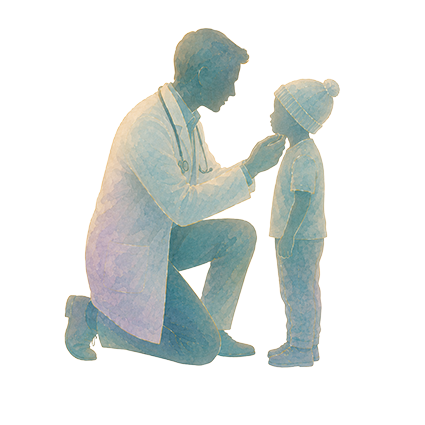
Step 01
Families and medical teams reach out with a child's story and the support they need.
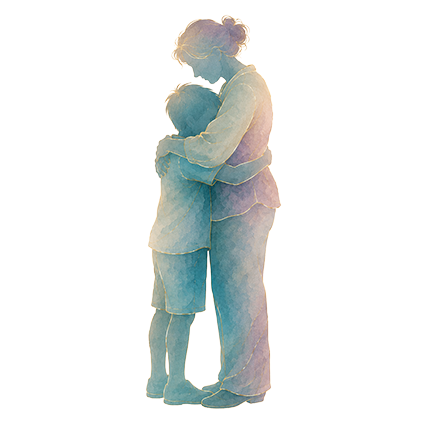
Step 02
Our team listens carefully and matches the family with the right people and resources.
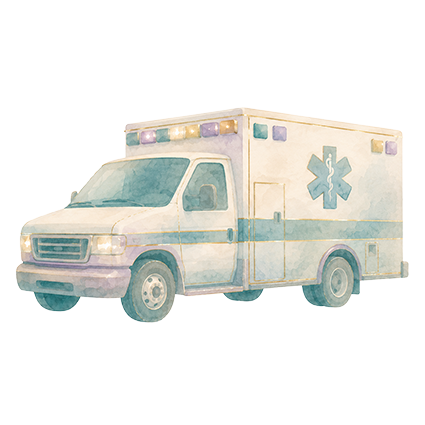
Step 03
Treatment funding, travel, medication and emotional support are put in place — often within days.

Step 04
Support continues through recovery and follow-up, for as long as the family needs us.
What Care Actually Costs
These are real, publicly-cited costs of treating and researching childhood cancer. Every donation goes toward closing this gap.
$1,000,000+
One course of CAR-T therapy
The list price of tisagenlecleucel for pediatric leukemia is around $475,000 — total episode costs often exceed a million dollars.
Source: Novartis list price; JMCP 2020
$500,000
Lifetime care for a child with a brain tumor
Ongoing treatment, rehabilitation and follow-up for a pediatric brain-tumor patient regularly exceeds half a million dollars over a lifetime.
Source: Pediatric Brain Tumor Foundation, 2022
$166,000,000
Average clinical cost to develop one orphan drug
The mean out-of-pocket clinical trial cost to bring a rare-disease therapy to patients — including many pediatric cancer drugs.
Source: Jayasundara et al., Orphanet J Rare Dis, 2019
$300k – $800k
One pediatric bone-marrow transplant
Allogeneic stem-cell transplants for leukemia and other cancers can cost hundreds of thousands of dollars per child, before follow-up.
Source: US commercial claims analyses, 2020–2023
$40,000
One year of standard chemotherapy
A single year of chemotherapy and supportive care for a child with cancer can easily reach tens of thousands of dollars per family.
Source: AACR / NCI pediatric cost studies
$8,000
Travel & housing for one family
Families who must travel abroad for specialized pediatric oncology care spend thousands on flights, lodging and time away from work.
Source: Program data, cross-border referrals
Stories of Hope
Names and details are shared with care — and only when families explicitly agree.
Medical & Community Partnerships
We collaborate with hospitals, physicians, treatment centres, researchers and family-support networks around the world. Together, we build sustained care that a single organisation could never build alone.
Hospitals
Physicians
Researchers
Family networks
Treatment centres
Community allies
Support Our Work
Your support helps children and families access care, guidance and practical assistance when they need it most.
Secure · Transparent · Purposeful